9 hr 30 min
Full-Day Cotswolds Village Escape from London
- Expert local guide
- Small group
- Skip-the-line access
- Free cancellation
Bus Tour From London to Cotswolds — Village Escapes & Day Trips
Honey-stone hamlets and medieval wool towns, under two hours from the city
Compare fares, pick the fit — all bookings are mobile-voucher and eligible for free cancellation where shown.
9 hr 30 min
10 hr 30 min
10 hr
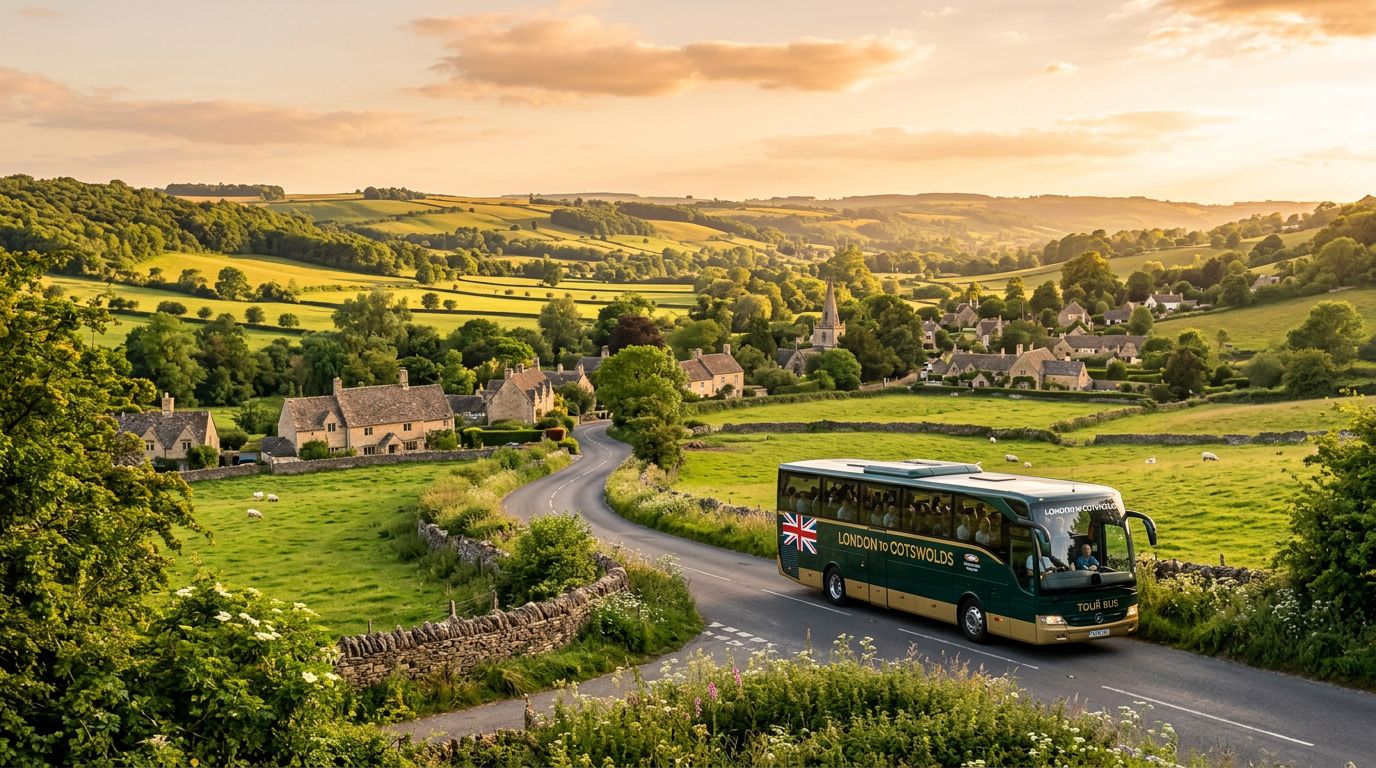
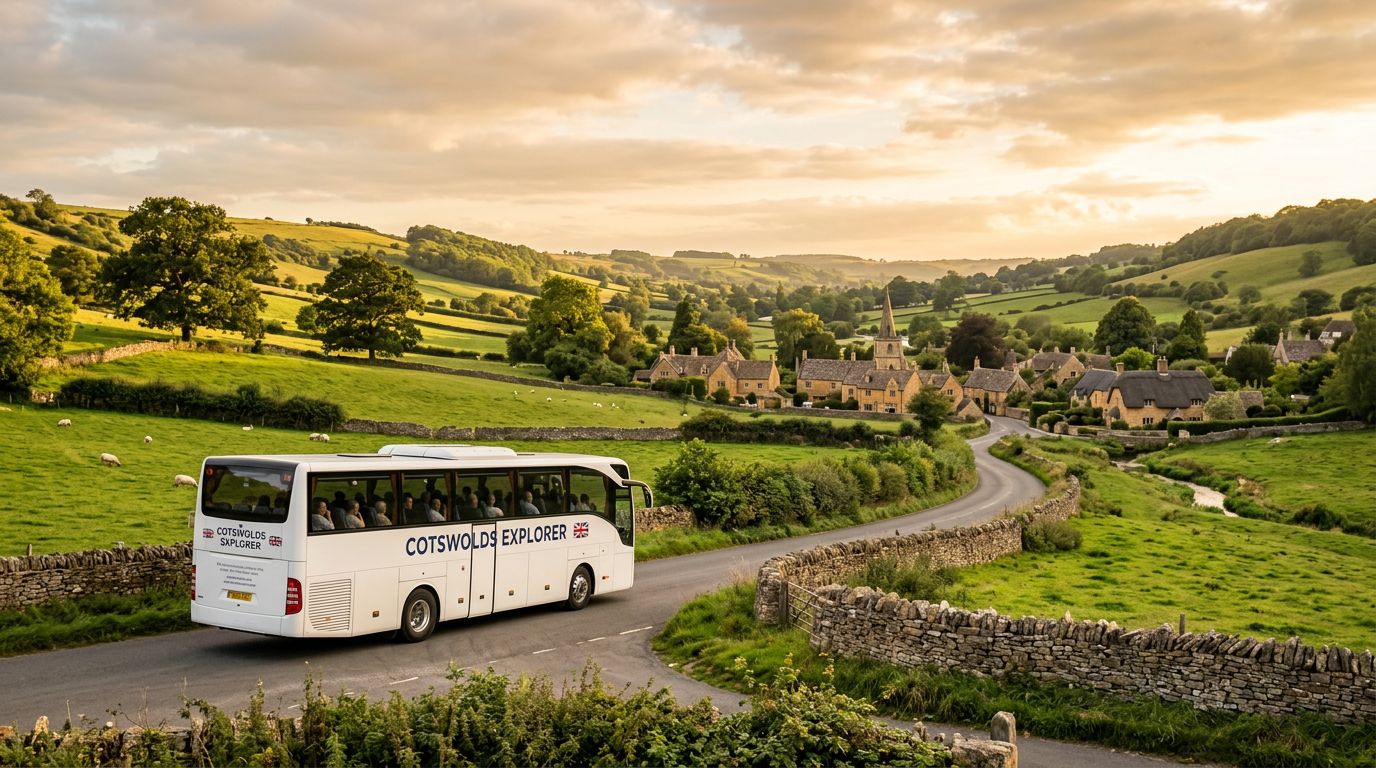
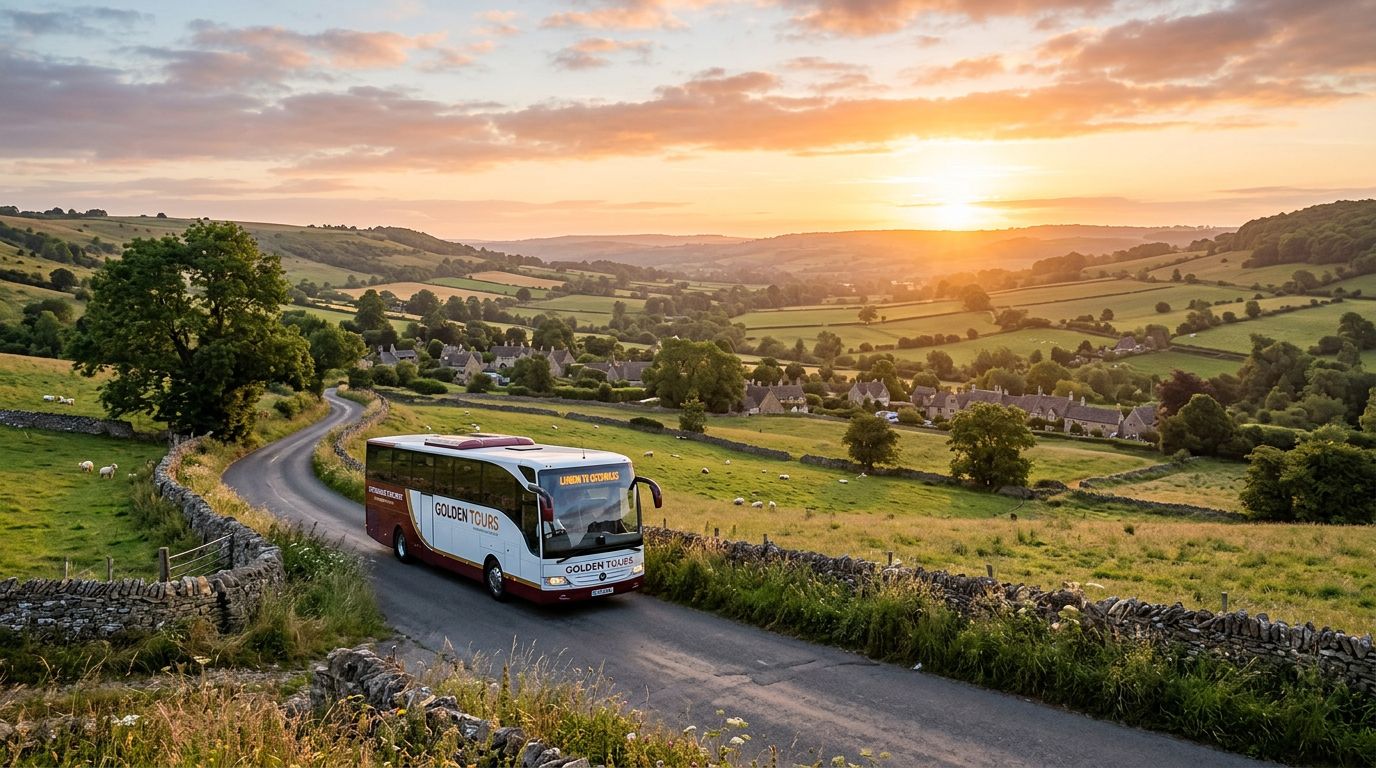
Selecting the right bus tour from london to cotswolds requires balancing group size and included amenities for your countryside exploration. Whether you prefer a comprehensive lunch-inclusive day or a flexible sightseeing experience, these tours provide essential transport to the region's honey-coloured stone villages.
| Standard Coach Tour Large Group |
Top pick Small Group Tour 16-Passenger Minibus |
|
|---|---|---|
| Transport Type | Large Luxury Coach | Small Luxury Minibus |
| Group Size | Up to 50 passengers | Max 16 passengers |
| Typical Stops | 3-4 major villages | 4-5 villages and hidden gems |
| Lunch Included | Optional or extra | Usually included or pre-booked |
| Flexibility | Fixed schedule | Higher, easier access to lanes |
| Best for | Budget-conscious travelers | First-timers seeking personal experience |
| See tickets & prices |
Verdict: First-time visitors should prioritize the small group bus tour from london to cotswolds to ensure easier navigation of narrow village lanes and a more intimate connection with the local landscape.
Worth it for first-timers and car-free travelers
A bus tour from London to Cotswolds solves the region's biggest access challenge: the villages that define the area—Bourton-on-the-Water, Bibury, the Slaughters—sit miles apart with minimal public transport links. Tours bundle driving, parking, and local commentary into a single day trip, typically visiting three to four villages with guided walks and free time at each stop. The trade-off is structure: you'll spend roughly 90 minutes per village rather than lingering at your own pace, and coach travel adds two to three hours each way. For visitors without a UK driving license or those who want expert narration on Cotswolds history and architecture without route-planning, these tours deliver strong value. If you prefer spontaneous exploration or want to photograph honey-stone cottages in morning light without group schedules, hiring a car or booking a private driver yields better control. Combination Cotswolds tours that add Oxford or Stonehenge extend the day but further compress time in each village, so prioritize your must-see locations before booking.
Bottom line: Bus tour from London to Cotswolds tours work best when convenience and expert commentary outweigh the need for flexible timing and extended village stays.
Professional transport provides a stress-free experience for travelers preferring guided narration, while self-driving offers superior control over your personal schedule. Most visitors find that a bus tour from london to cotswolds tour serves those who prioritize convenience, whereas driving suits those seeking independence.
|
Top pick Bus Tour |
Rental Car | |
|---|---|---|
| Ease of navigation | Fully managed logistics | Requires self-directed planning |
| Local context and commentary | Live guide storytelling | Requires personal research |
| Flexibility to linger | Fixed schedule stops | Complete autonomy |
| Cost efficiency | Fixed price per seat | Variable fuel plus rental fees |
| Driver fatigue | Zero driving effort | Requires full concentration |
| Access to narrow country lanes | Limited by large vehicle | High maneuverability |
| See tickets & prices |
Verdict: Choosing a bus tour from london to cotswolds tickets is ideal for relaxed sightseeing, while renting a car provides the freedom to explore hidden villages at your own pace.
Hand-picked experiences loved by thousands of travelers
10 hours
Free Cancellation
Discover the rolling hills and honey-hued charm of England’s most scenic rural region on this easy, guided day trip.
10 hours
Free Cancellation
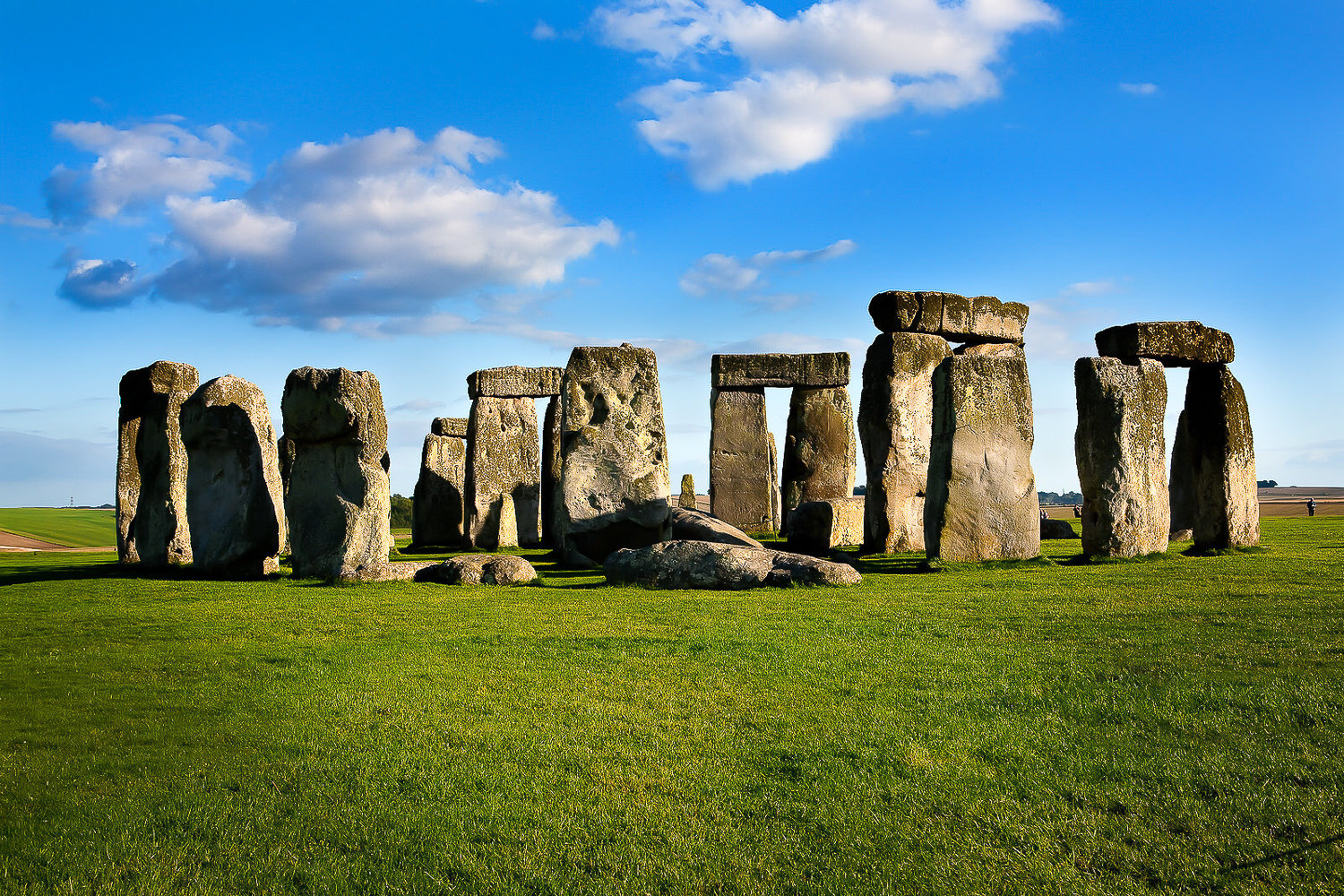
Escape the city for a full-day adventure to the prehistoric stones of Stonehenge and the charming village of Bourton-on-the-Water.
10 hours
Free Cancellation
Escape the city for a scenic day trip to discover the charm, history, and rolling hills of the Cotswolds.
9 hours
Free Cancellation
Discover the scenic beauty and historic charm of the Cotswolds on this immersive day trip through England's most picturesque villages.
11 hours
Free Cancellation
Experience England’s royal heritage and prehistoric mysteries on this comprehensive guided day trip from London.
11 hours
Free Cancellation
Discover prehistoric mysteries at Stonehenge and the refined Georgian elegance of Bath on this comprehensive day tour.
1 hour
Free Cancellation
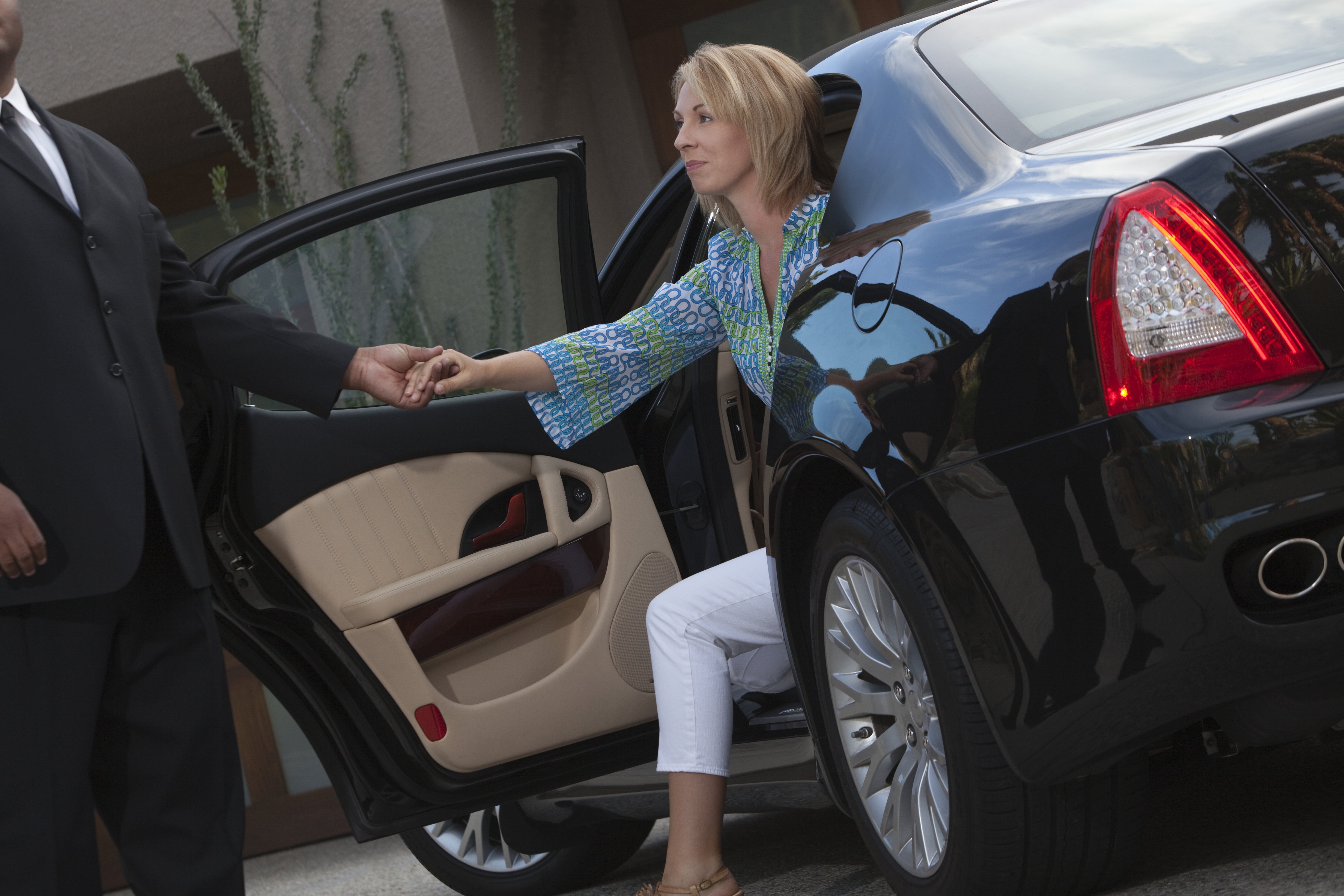
Travel between Heathrow and central London in a private, air-conditioned vehicle with professional chauffeur service.
Boarding at designated central London location
Drive through the Chiltern Hills towards the Cotswolds
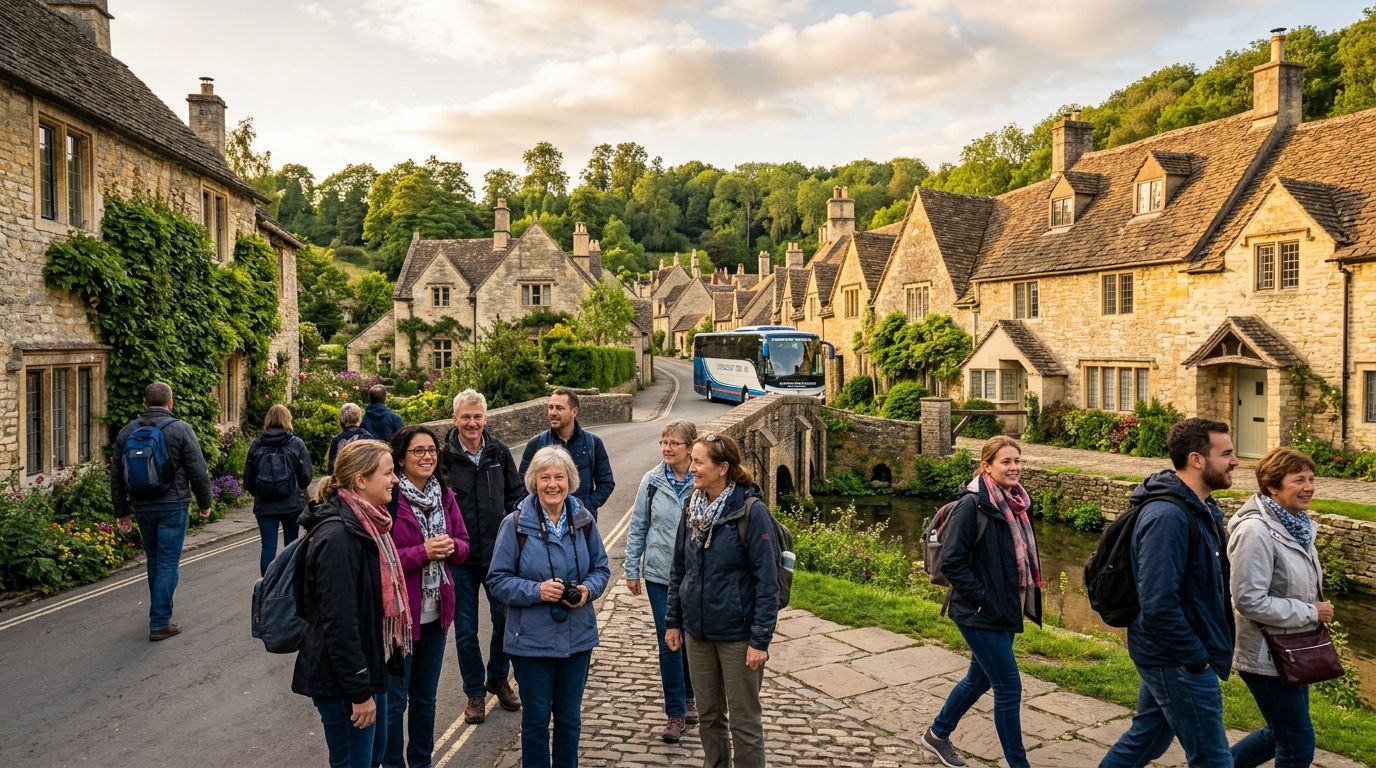
Guided walking tours of historic limestone villages
Evening journey back to central London
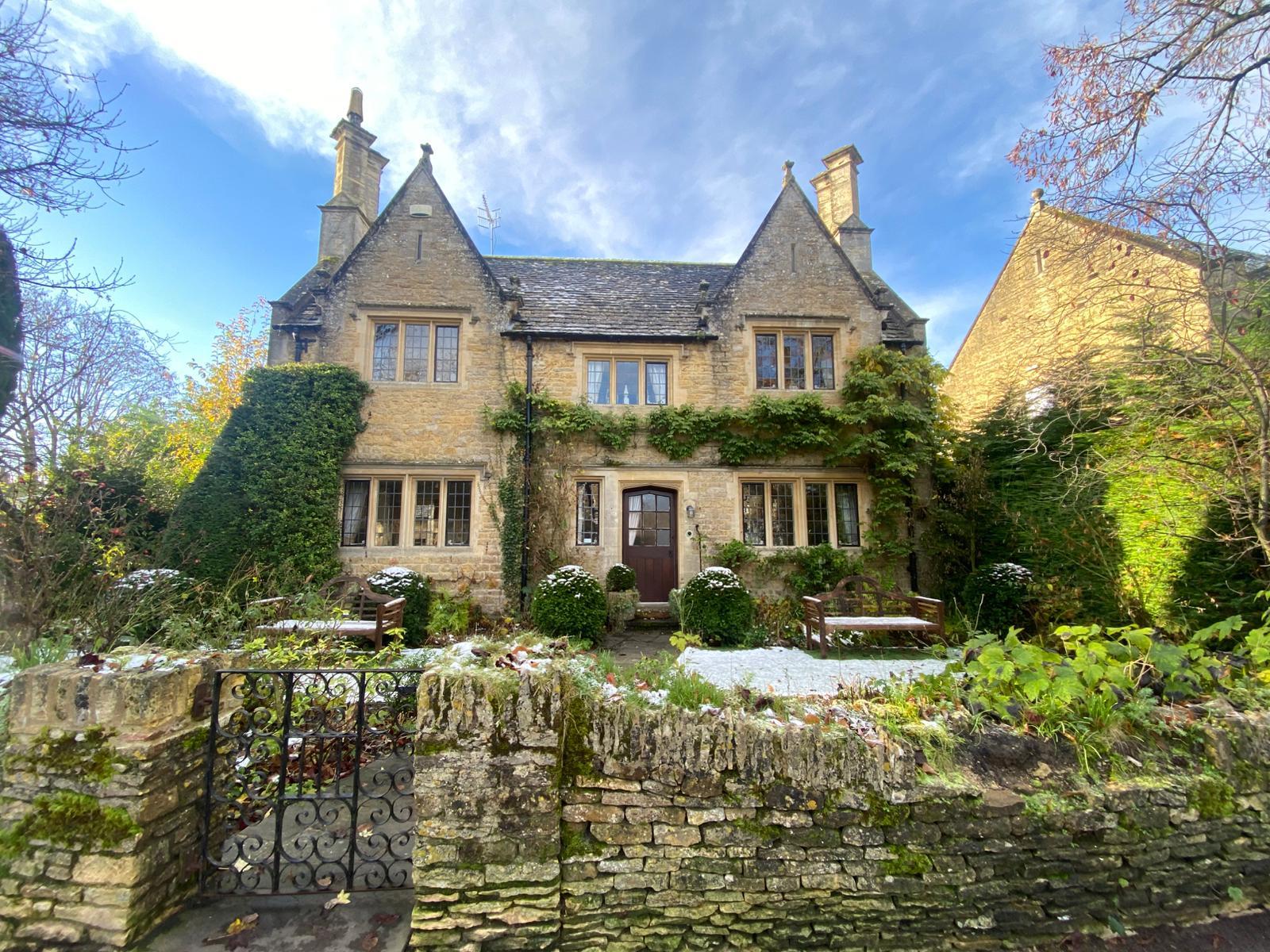
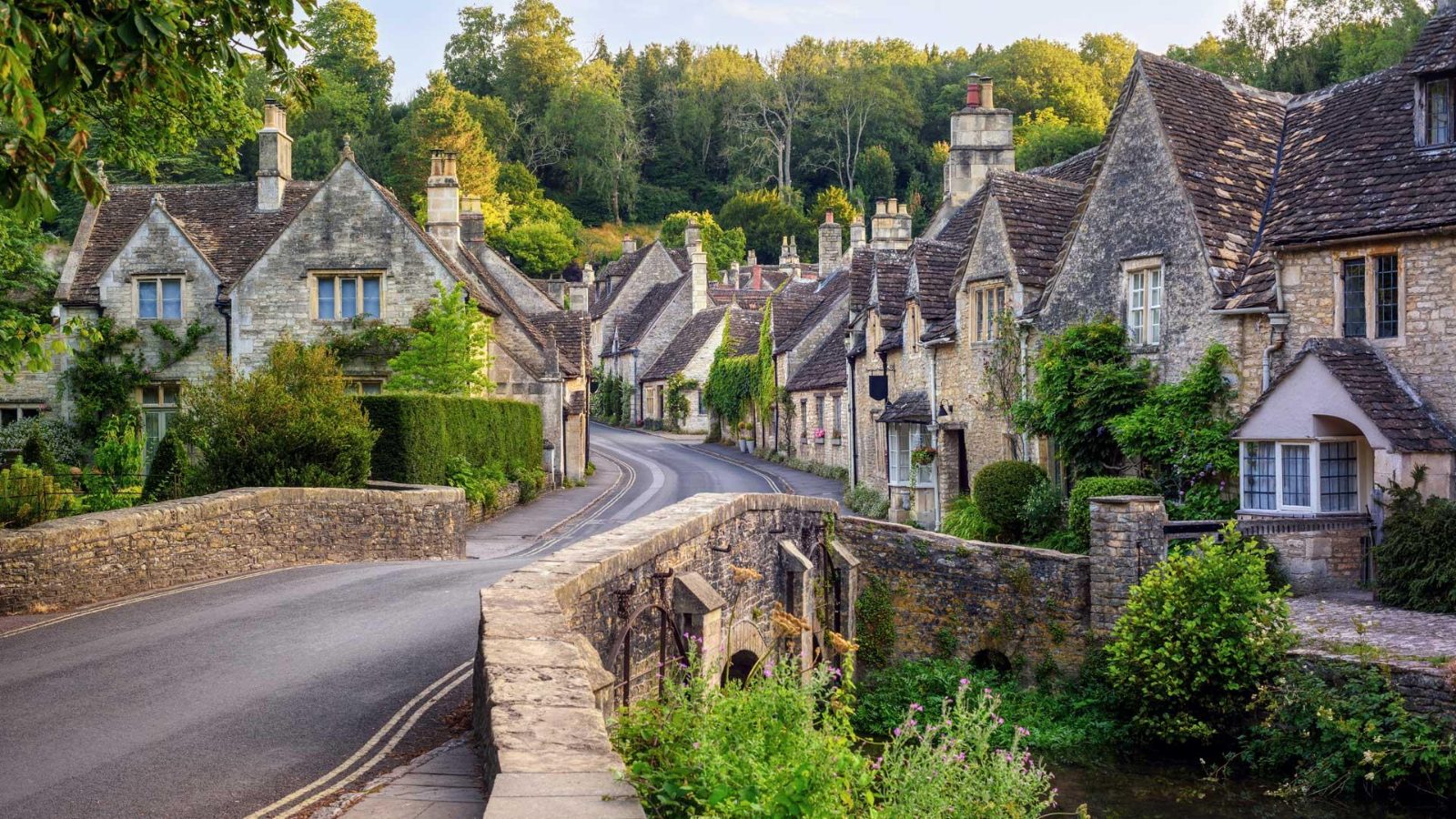
Known as one of the prettiest villages, it features stone houses unchanged for centuries. The lack of modern street lights preserves its medieval charm.
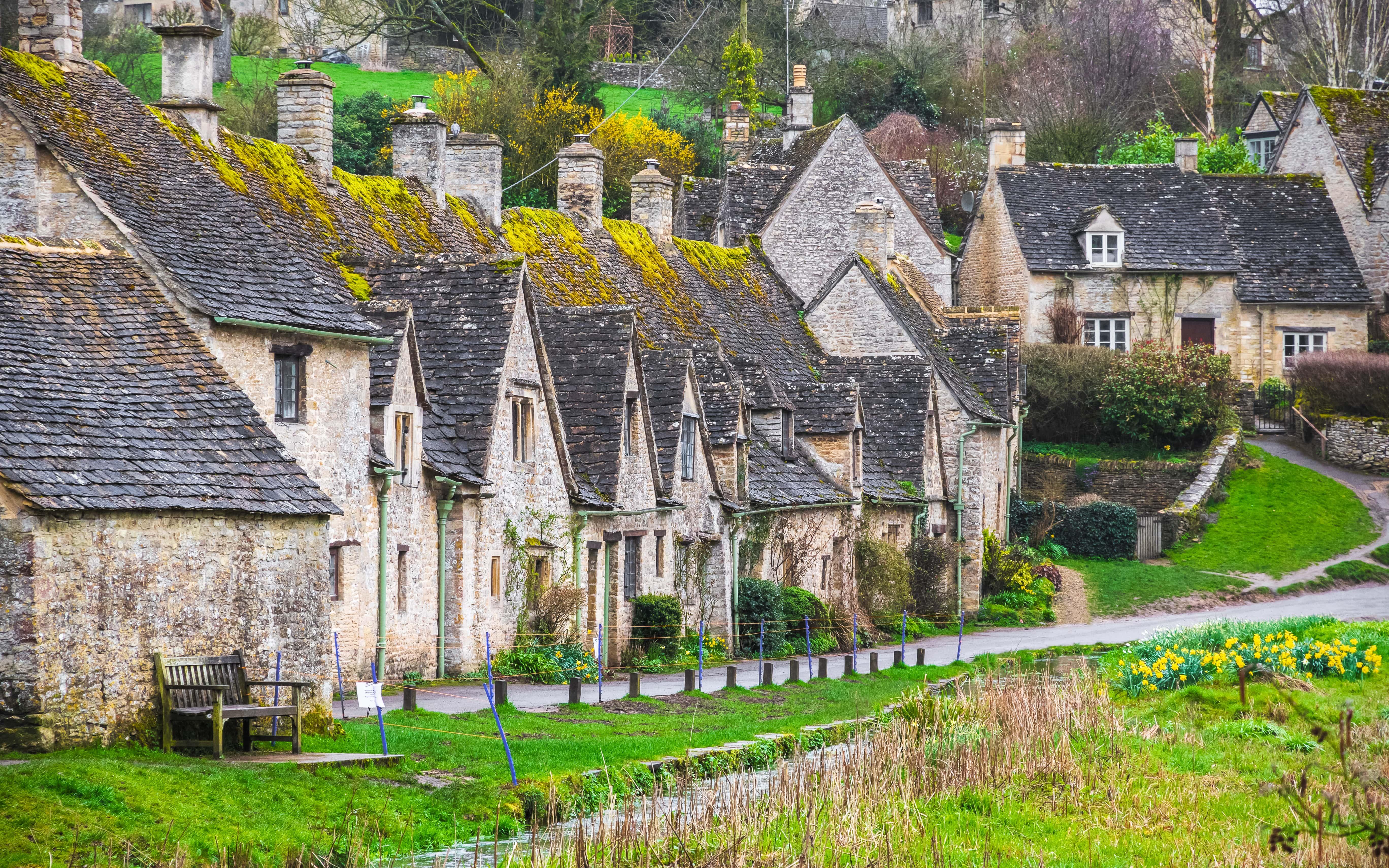
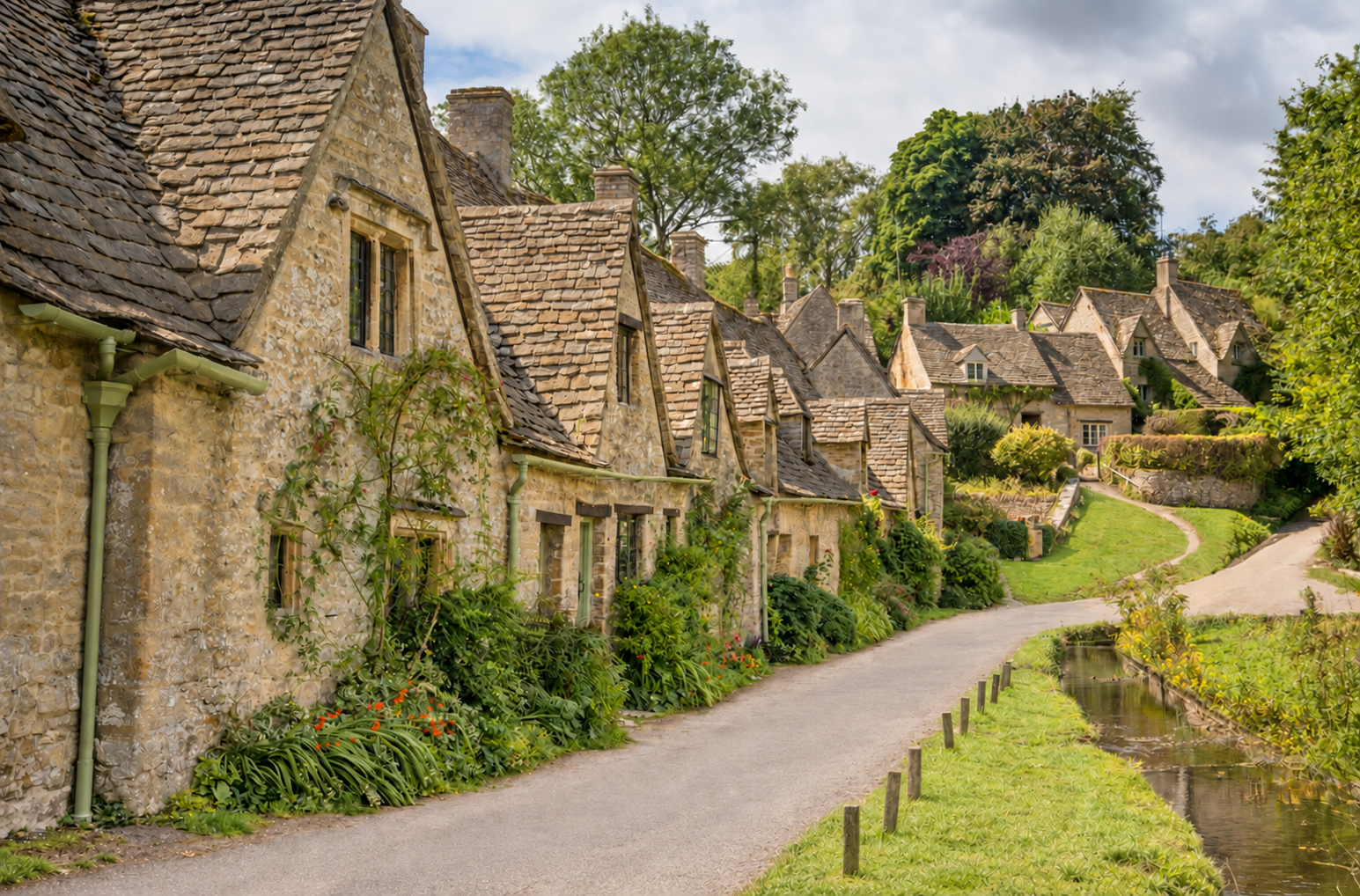
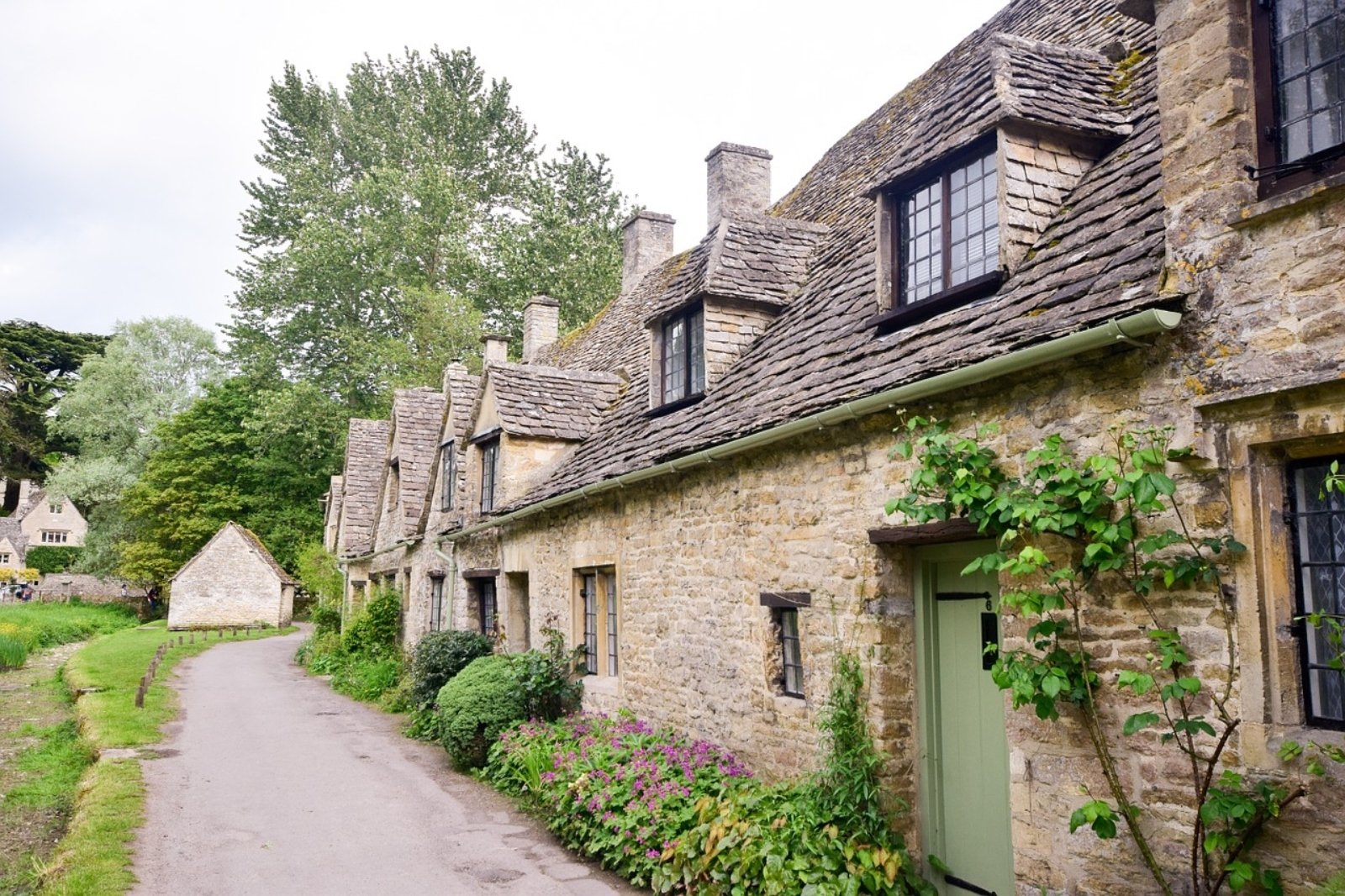
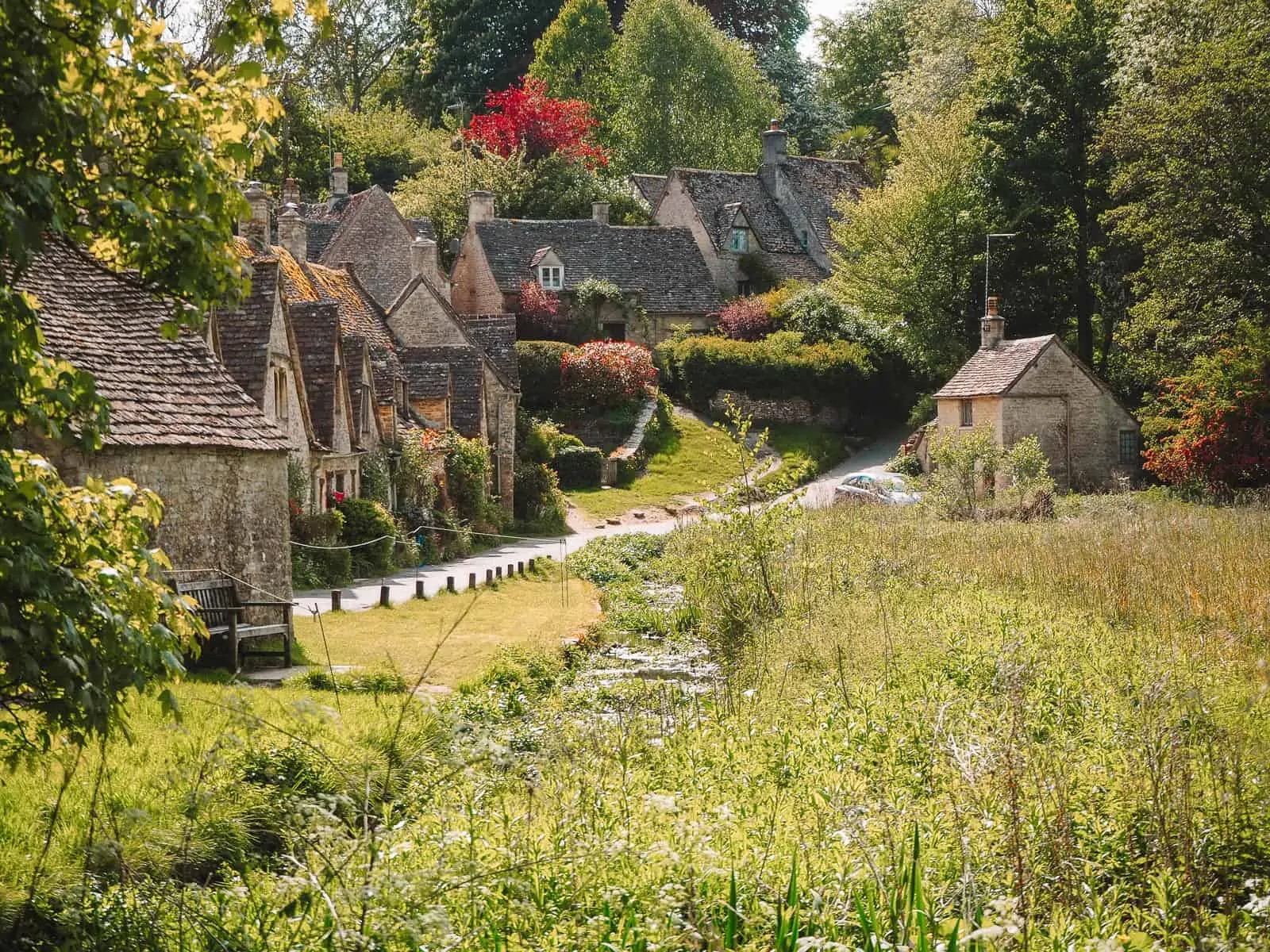
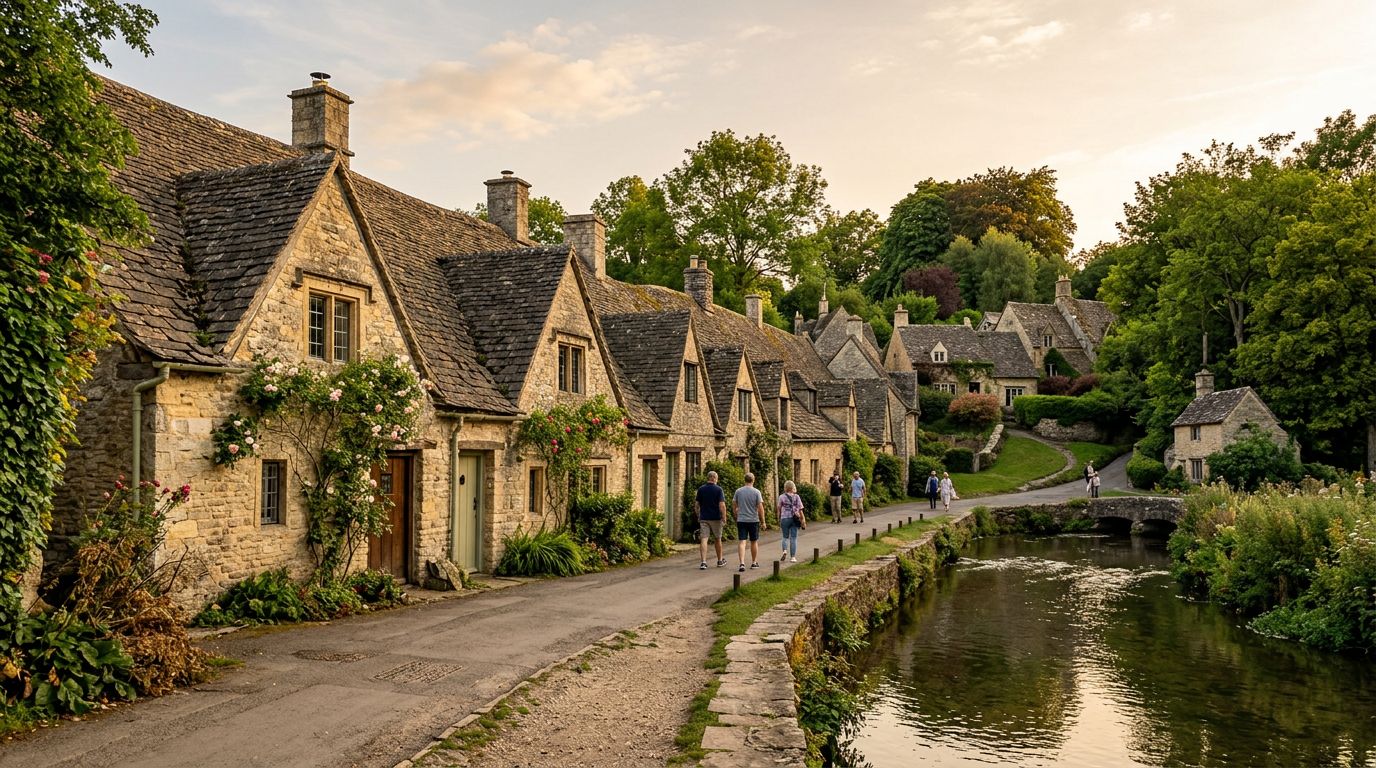
This village contains the famous Arlington Row, a series of 14th-century weaver cottages. It is often cited as one of the most photographed spots in the country.
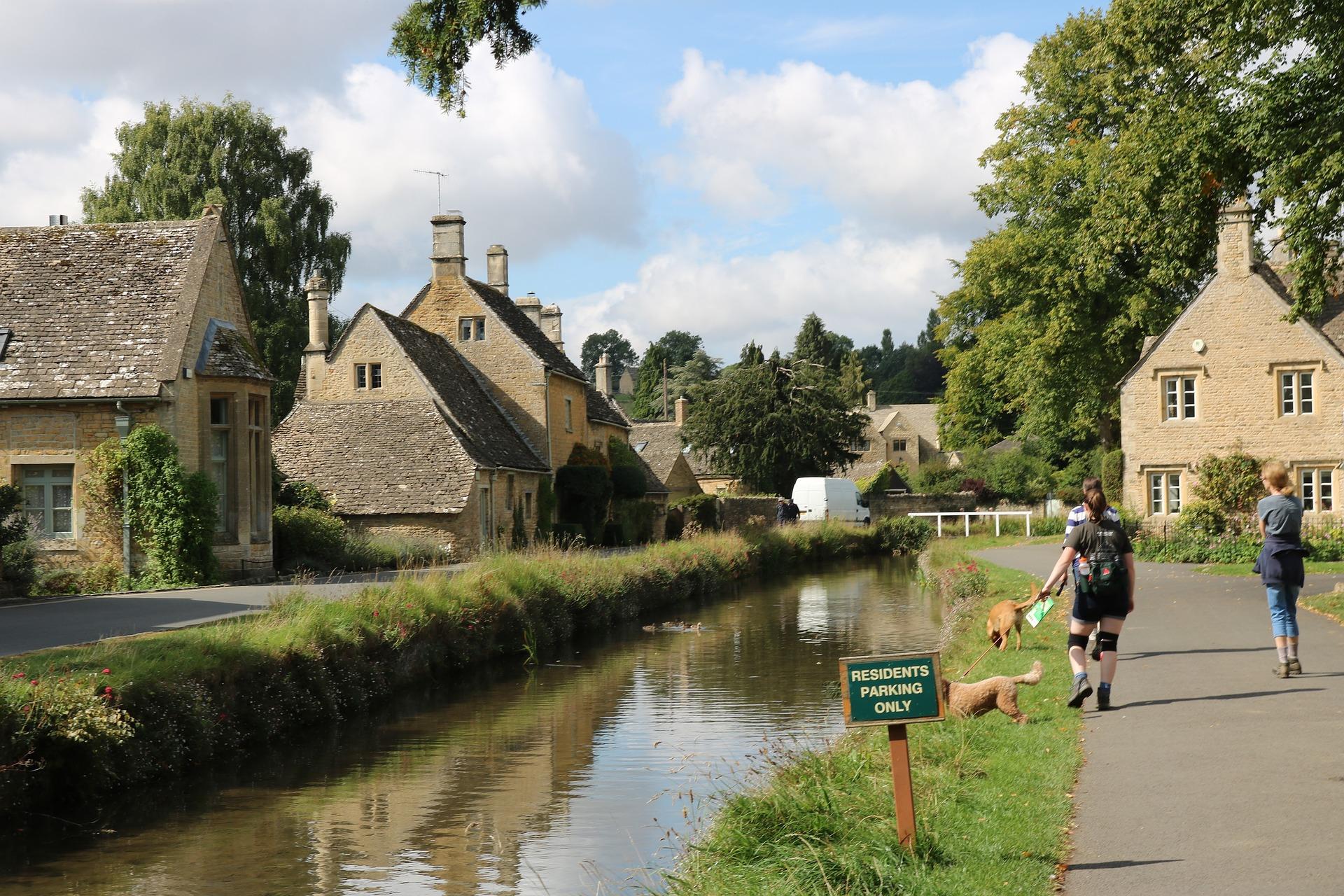
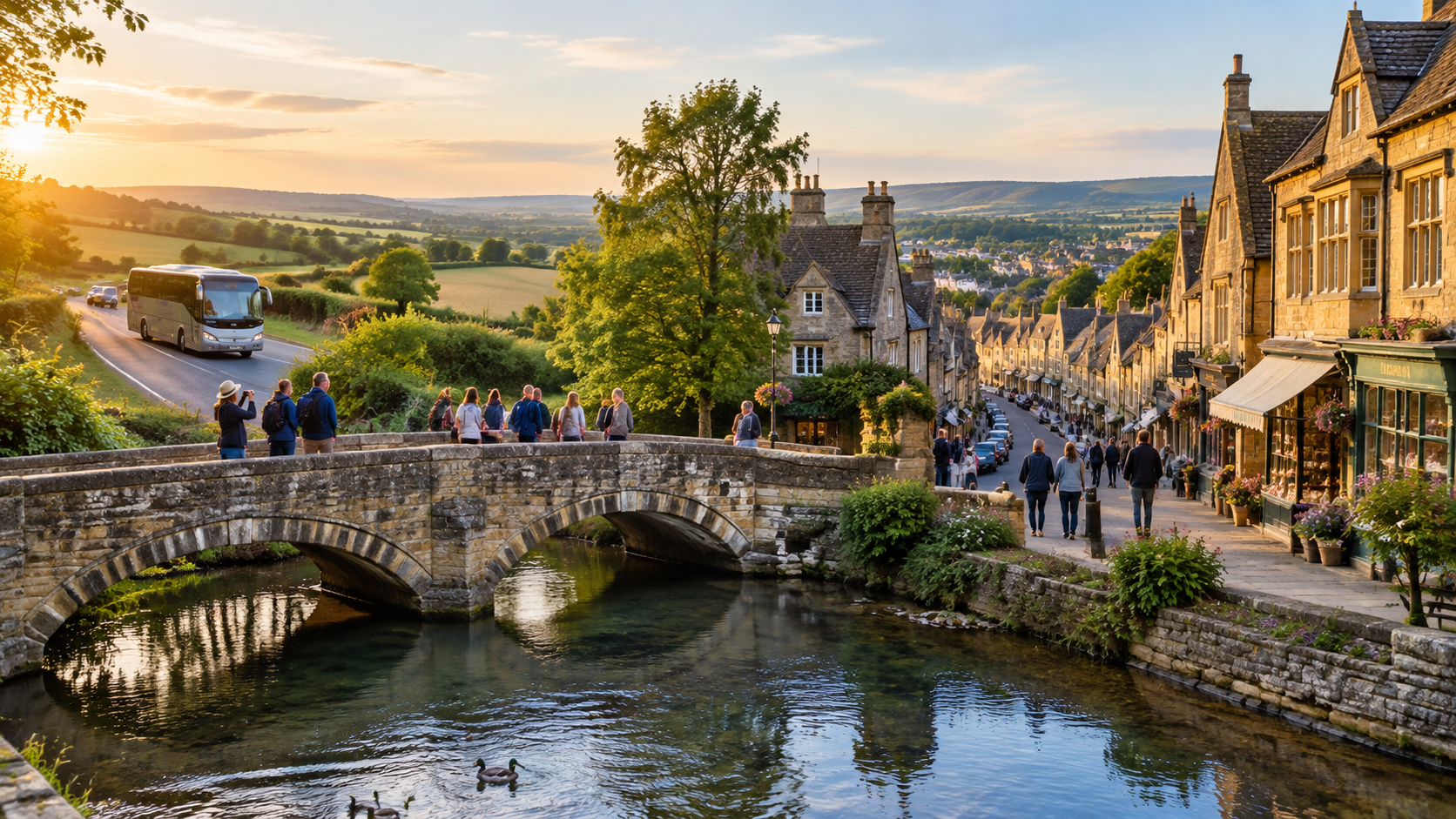
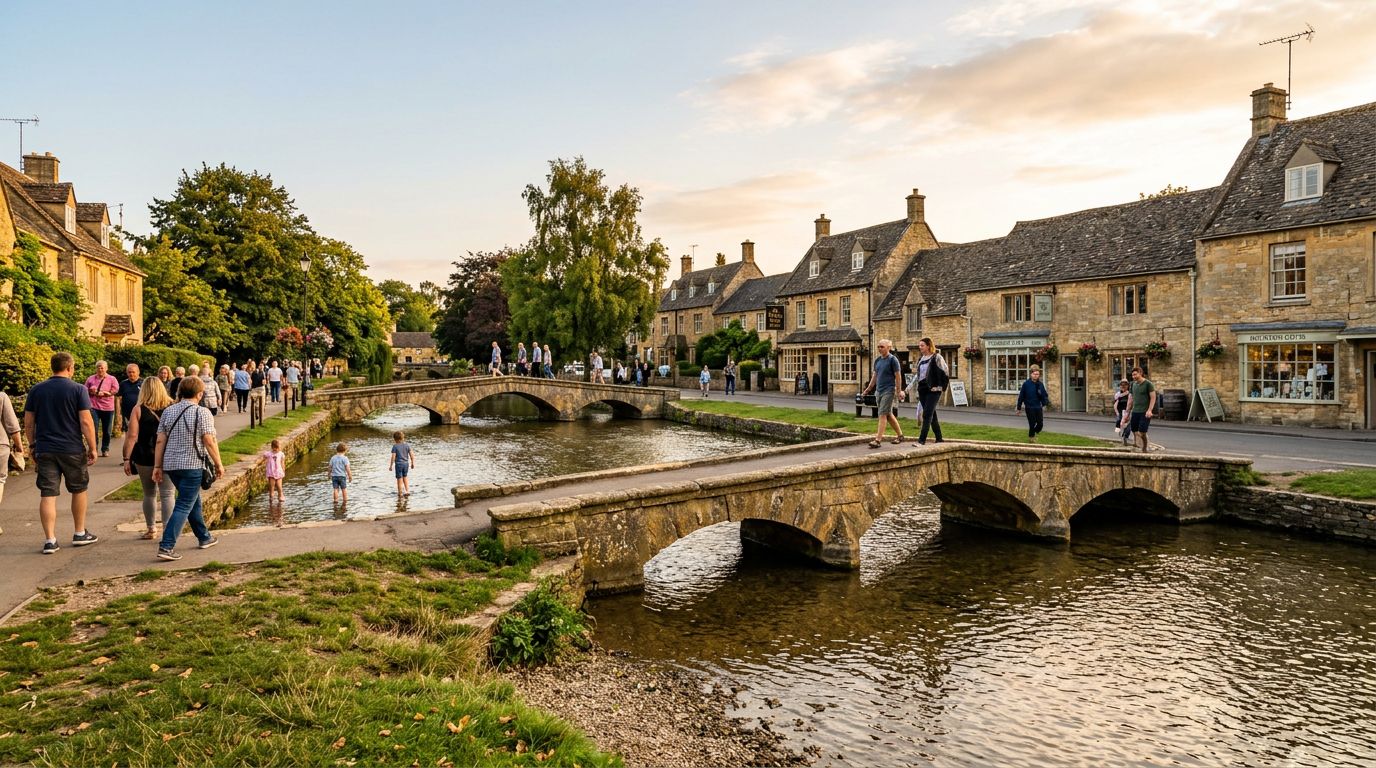
Known as the Venice of the Cotswolds, the village is crossed by the shallow River Windrush. It features multiple stone bridges and traditional architecture.
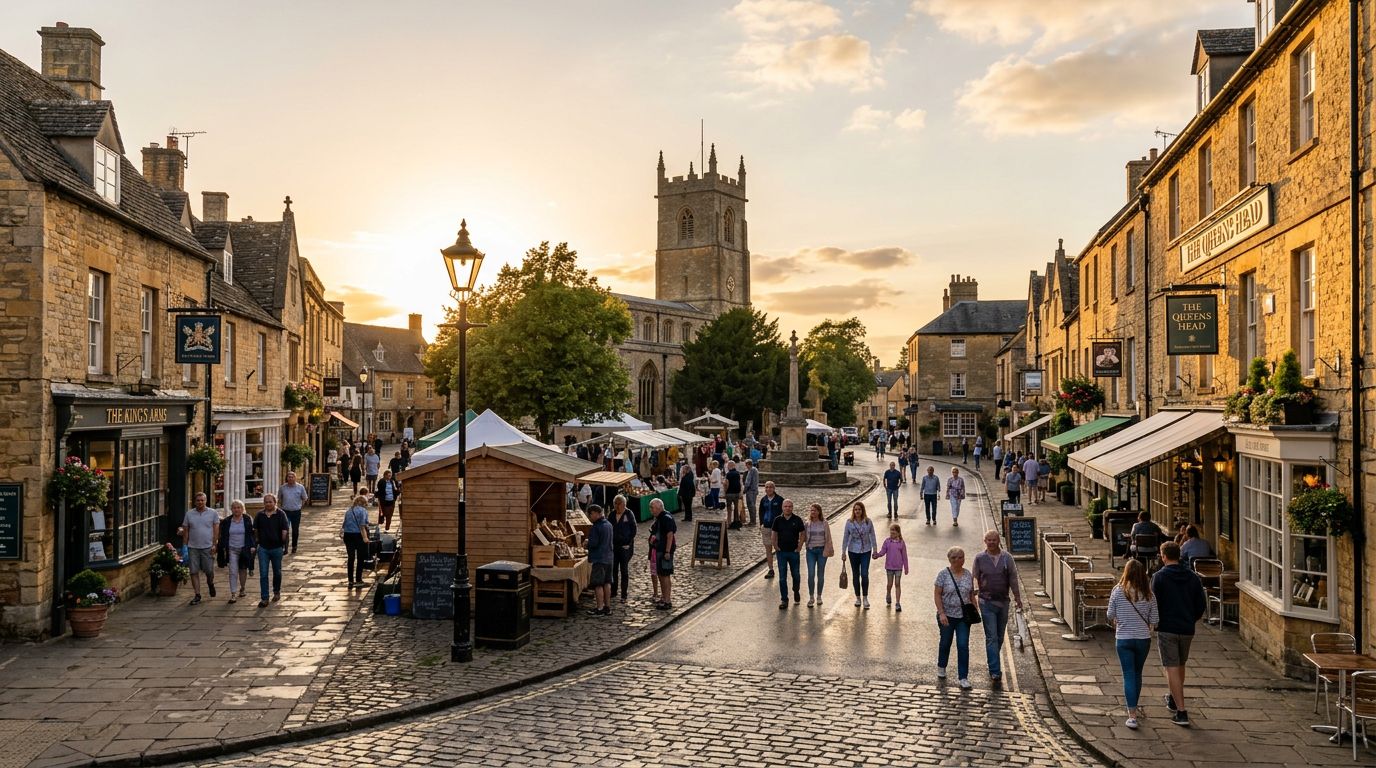
This historic market town stands on a hill and was a major center for the wool trade. The market square still hosts vibrant local events.
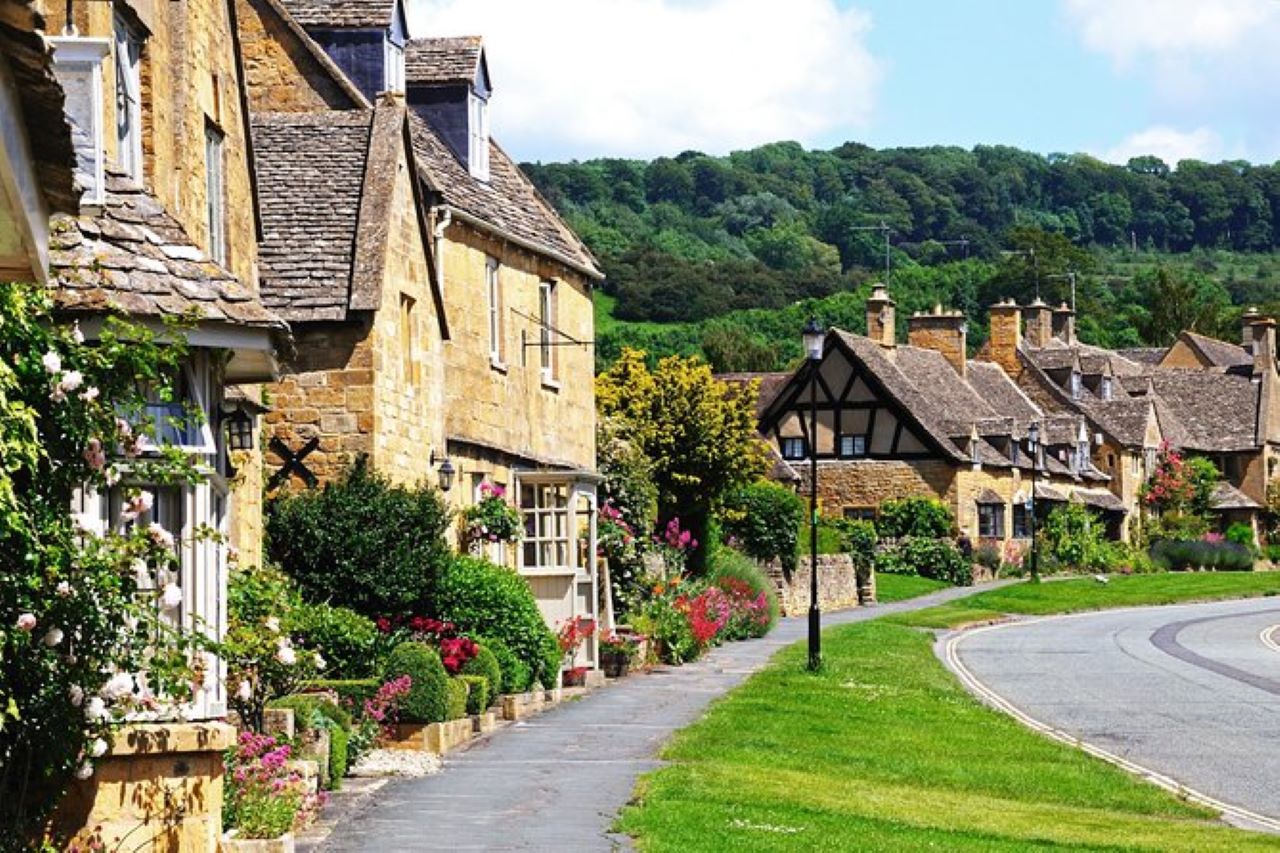
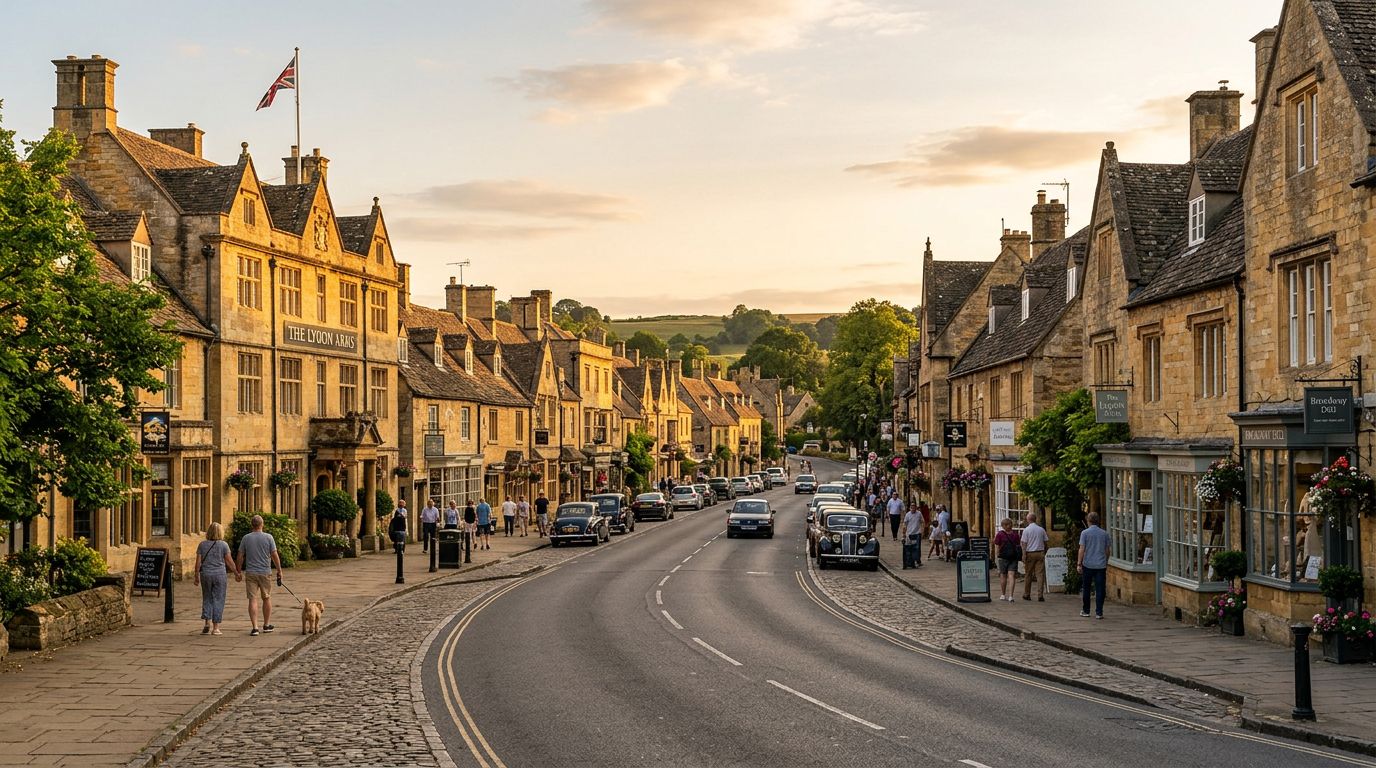
Often called the Jewel of the Cotswolds, this large village features wide streets and grand honey-colored houses. It serves as an artistic hub for the region.
You board the coach at Victoria or a Bloomsbury hotel shortly after 8 a.m., settling into reclining seats as the driver navigates west through Hammersmith and onto the M40.
The urban sprawl thins past High Wycombe, replaced by the chalk escarpment of the Chilterns, and within 90 minutes you descend into the Thames Valley, where the first glimpse of pale limestone appears in field walls and farm cottages.
Your first stop is often Bourton-on-the-Water, where the River Windrush runs beneath five low arched bridges and swans nest along the grassy banks. You have 45 minutes to walk the high street, photograph the model village—a 1930s one-ninth-scale replica of the town itself—and sample Cotswold ice cream from a parlour near the stone footbridge. The coach then climbs north to Stow-on-the-Wold, the highest town in the Cotswolds at 244 metres, where you break for lunch in the market square surrounded by 17th-century coaching inns and antique shops.
Afternoon hours take you through narrower lanes to Bibury, described by William Morris as England's most beautiful village, where Arlington Row's weavers' cottages lean above the millpond in a terrace unchanged since 1380. You pause for photographs, then continue to a final village—perhaps Lower Slaughter, with its working watermill, or Broadway, where the high street ascends gently toward the Cotswold escarpment. The return journey begins around 5 p.m., reaching central London by 7.
All the details about your upcoming adventure in one place
The Cotswolds comprises 790 square miles of rolling limestone upland, designated an Area of Outstanding Natural Beauty in 1966 and stretching across five counties from Warwickshire to Wiltshire.
Its distinctive honey-coloured stone, quarried from Jurassic oolitic limestone deposits laid down 170 million years ago, built the medieval wool towns that made the region England's wealthiest territory between the 14th and 16th centuries. Wealthy wool merchants erected elaborate perpendicular Gothic churches, endowed almshouses, and constructed manor estates that remain the architectural signature of villages such as Chipping Campden, Bourton-on-the-Water, and Bibury.
Today the Cotswolds receives over 38 million visitors annually, drawn by a landscape that has changed little since parliamentary enclosure acts reshaped the countryside in the late 18th century. The region's 3,000 miles of public footpaths, including the 102-mile Cotswolds Way National Trail, traverse ancient beech woodlands, dry-stone-walled pastures, and riparian meadows along the Windrush, Evenlode, and Coln rivers. Protected planning regulations enforced since 1968 restrict modern development, preserving the scale and material palette of settlements that remain functionally agricultural despite their proximity to London and Birmingham.
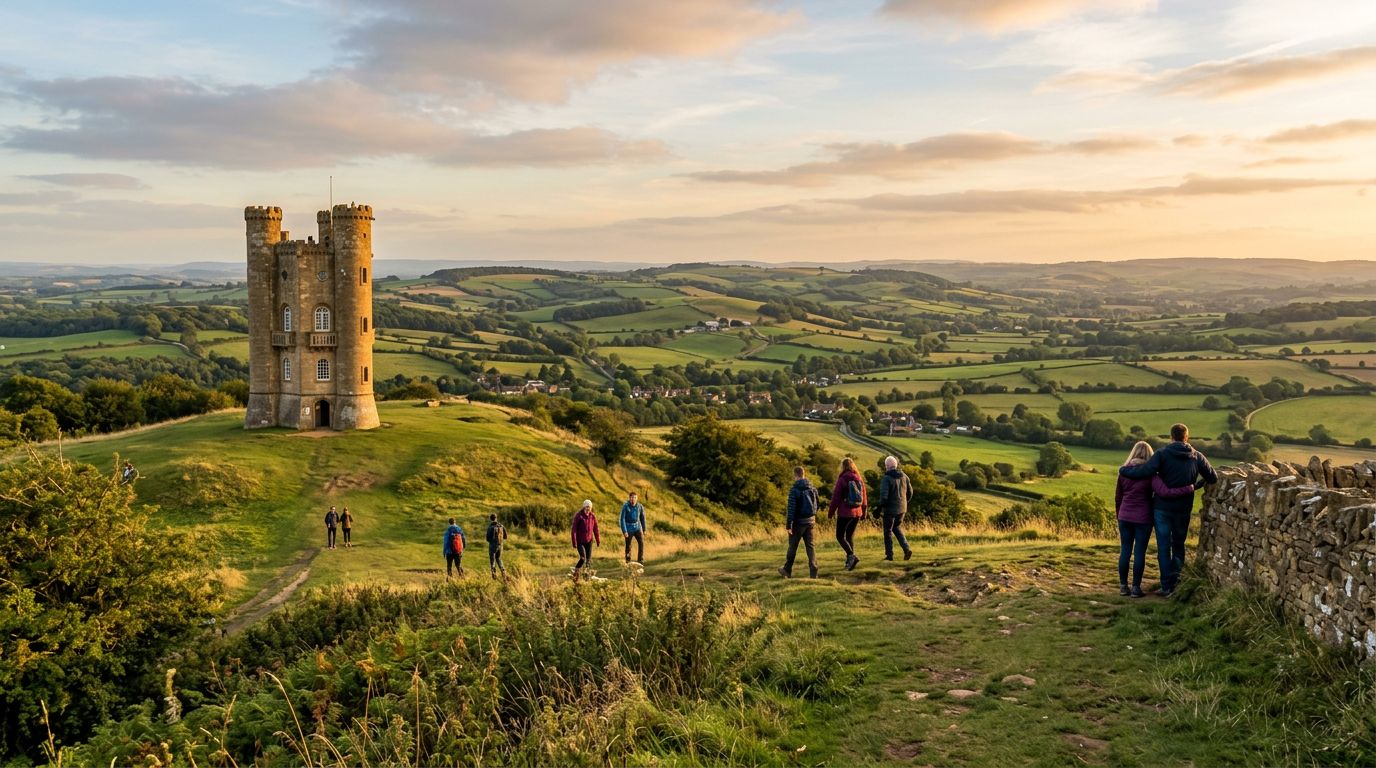
A bus tour from London to Cotswolds typically departs from central pick-up points in the early morning, covering the 90-mile distance via the M40 motorway in under two hours. Organised coach tours allow access to villages poorly served by public rail connections—the Cotswold Line terminates at Moreton-in-Marsh, leaving western and southern settlements reachable only by infrequent rural bus services or private car. Full-day itineraries commonly combine three to five villages, often pairing northern market towns like Stow-on-the-Wold with southern river settlements such as Lower Slaughter, and may include stops at Broadway Tower, a Saxon folly rebuilt in 1798 that offers views across 13 counties from its 312-metre hilltop position. Some routes incorporate Oxford, 30 miles southeast of the Cotswolds' eastern boundary, or divert west to Stonehenge, adding 90 minutes each way to the journey.
The wool trade that funded the region's architecture peaked in the 15th century, when Cotswold Lion sheep—a now-rare breed prized for its long, lustrous fleece—grazed the limestone grasslands in flocks numbering tens of thousands. By 1700, competition from Spanish merino and the rise of northern industrial mills had ended the Cotswolds' dominance, leaving behind the churches, tithe barns, and market halls that form the primary draw for contemporary visitors.
Protected planning regulations enforced since 1968 restrict modern development, preserving the scale and material palette of settlements that remain functionally agricultural despite their proximity to London and Birmingham.
Wear comfortable walking shoes suitable for uneven cobblestone streets. Layered clothing is recommended as regional temperatures change frequently throughout the day.
Most operators allow one small carry-on bag or daypack per passenger. Larger luggage is generally prohibited due to limited storage space on the bus tour from london to cotswolds.
Photography is permitted at all outdoor stops. Respect private property and local residents when capturing images in quiet villages.
Children are welcome, though long travel times may be challenging for toddlers. Ensure you bring necessary entertainment and snacks for the journey.
Standard motor coaches may not be fully wheelchair accessible. Contact the specific tour operator regarding ramp availability before booking your bus tour from london to cotswolds tickets.
Most day trips do not include lunch, though stops are made in villages with cafes and bakeries. Bringing a reusable water bottle is recommended.
Duration
9–12 hours
Departure
Central London
Vehicle Access
Varies by operator
Weather
Variable climate
Region
Gloucestershire, England
Public transport · Varies by route · Included in tour price
Use the London Underground to reach Victoria Station for most departures
Car · N/A · N/A
Parking is not provided at departure points
Full refunds are typically available if requested at least 24 hours before the scheduled departure time. Late cancellations may be subject to a 100% fee.
Recommended time
10-11 hours
Optimizing Your Bus Tour from London to Cotswolds: Duration and Timing. A comprehensive bus tour from london to cotswolds typically requires a full day, as travel time accounts for roughly four to five hours of the journey. To maximize your exploration of these historic limestone villages and minimize time spent in traffic, we suggest selecting departures that arrive before the midday influx of visitors.
Crowd levels through the day
Weather · crowds · average price — dots go green to amber to red as each metric rises.
Flowers bloom in meadows and village gardens. Temperatures average 10-15°C.
Long daylight hours allow for extended exploration. Expect peak visitor numbers.
Foliage transforms the landscape into golden hues. Perfect for a bus tour from london to cotswolds tour.
Villages offer a quiet atmosphere with fewer crowds. Frost-covered architecture is common.
Secure your bus tour from london to cotswolds tickets at least two weeks in advance during peak season to ensure availability.
Rural areas have limited shops open late, so carry your own refreshments.
Cotswolds weather changes rapidly, so pack a light waterproof layer even if the morning starts sunny.
Keep noise levels down in residential streets while enjoying the Cotswolds attractions.
Choose a bus tour from london to cotswolds that includes local commentary for better historical context.
164 Buckingham Palace Rd, London
Primary hub for many operators
Get directionsThe Cotswolds emerged as a prosperous wool-producing region in the medieval period, with the trade peaking between the 14th and 16th centuries. Merchants built the characteristic honey-colored limestone manor houses and market halls that define the area today, funding construction through profits from exporting fleece across Europe. The decline of the wool industry in the 17th century left villages economically stagnant but architecturally preserved, a fortunate accident that would later attract twentieth-century tourists. Organized bus tour from london to cotswolds routes began developing in the 1920s as motor coach technology improved and the Arts and Crafts movement romanticized rural England. The designation of the Cotswolds as an Area of Outstanding Natural Beauty in 1966 formalized conservation efforts and increased visitor infrastructure, though it also sparked debates about access versus preservation. By the 1980s, commercial tour operators had established the classic circuit linking Broadway, Bourton-on-the-Water, and Stow-on-the-Marsh, a route that remains the template for most Cotswolds tours today. The 2001 foot-and-mouth disease outbreak closed rural footpaths and devastated the region's tourism economy, forcing operators to rethink sustainable visitor management. Modern bus tour from london to cotswolds tickets now include timed village stops to prevent overcrowding in narrow lanes originally built for sheep, not coaches. The filming of Bridgerton at locations including Painswick in 2019 triggered a fresh surge in day-trip demand, particularly from international visitors seeking the genteel English countryside marketed through period drama. Conservation groups continue to negotiate the tension between the economic necessity of tourism and the fragility of villages never designed for mass visitation.
Cotswolds wool merchants build limestone manor houses and churches with trade profits
Wool industry decline leaves villages economically dormant but architecturally intact
Motor coach tours from London begin as rural tourism gains popularity
Cotswolds designated Area of Outstanding Natural Beauty, formalizing conservation policy
Foot-and-mouth outbreak closes paths and forces tourism operators to adopt capacity controls
Bridgerton filming locations drive renewed international interest in Cotswolds village tours
Stand at the southern end of the path to capture the iconic row of 14th-century weaver cottages in Bibury. This location is a staple stop on a bus tour from london to cotswolds.
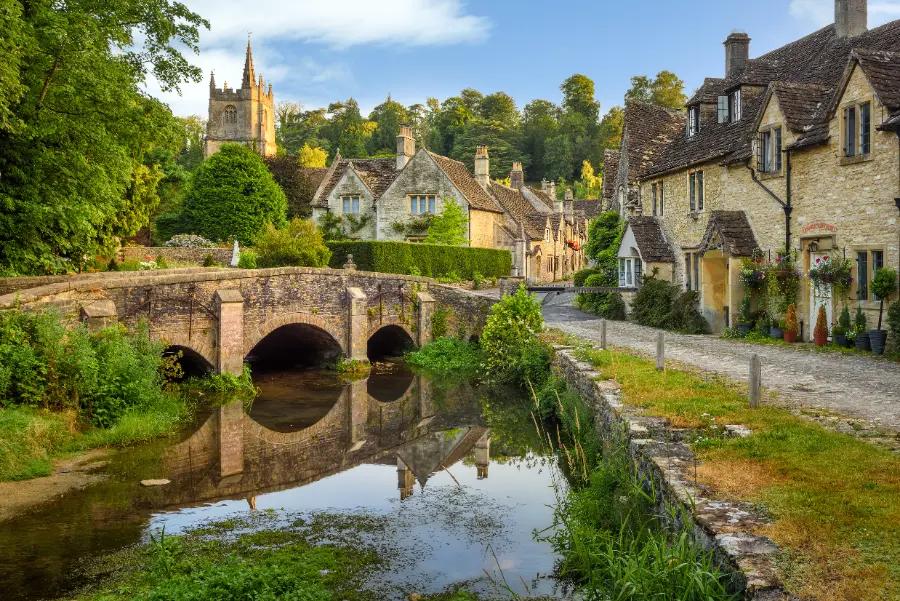
Position yourself on the stone bridge spanning the Bybrook to photograph the historic village center. This frame captures the quintessential English limestone architecture perfect for your bus tour from london to cotswolds tours collection.
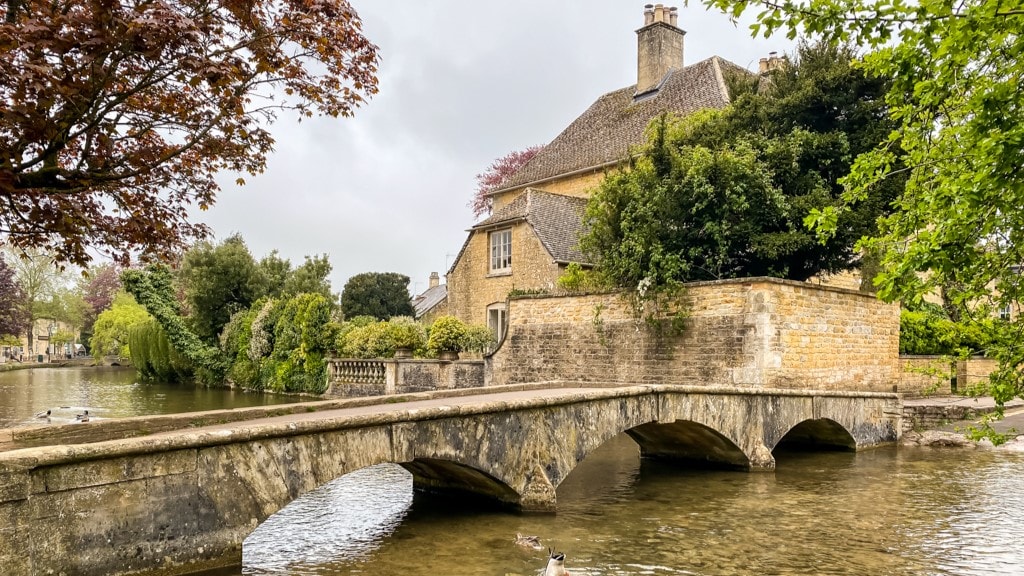
Capture the low stone pedestrian bridges crossing the shallow river from the grassy banks. Many travelers book a bus tour from london to cotswolds tour specifically for these waterside vistas.
Stand on the hill near the folly to overlook the rolling hills of the Worcestershire countryside. Securing bus tour from london to cotswolds tickets often grants enough time to walk up to this vantage point.
Exploring the English countryside via a bus tour from london to cotswolds offers a manageable way to see honey-colored villages without navigating rental cars. While travel days can be long for little ones, the rolling hills and open spaces provide a welcome change of pace from the city.
Compact, collapsible strollers are essential as many historical village streets have uneven cobblestones or narrow sidewalks. Ensure your gear fits into the coach luggage compartment before securing your bus tour from london to cotswolds tours.
This experience is best suited for children aged six and older who can handle extended periods of sitting during transit between sites. Younger toddlers may find the long drives challenging, so pack plenty of entertainment for these bus tour from london to cotswolds tickets.
Most coaches are not equipped with onboard baby-change tables, so plan to use facilities at major stops like Bourton-on-the-Water. Always verify the accessibility of specific venues included in your chosen bus tour from london to cotswolds tour.
Pack sufficient snacks and drinks, as rural village cafes can become crowded during peak midday hours. Having a reliable supply of provisions helps maintain energy levels while exploring these historic Cotswold landmarks.
Choose itineraries that focus on fewer stops to allow children time to stretch their legs and explore the grass fields. A relaxed schedule ensures the day remains enjoyable rather than exhausting for the entire family.
Most guests on a bus tour from london to cotswolds find that villages like Bourton-on-the-Water and Stow-on-the-Wold offer delightful culinary stops. Whether you booked bus tour from london to cotswolds tours or individual bus tour from london to cotswolds tickets, these eateries provide convenient refreshments.
Located by the river, this spot serves traditional cream teas and hearty ploughman's lunches. It is ideal for a seated break during your coach excursion.
This artisan bakery offers freshly baked sourdough, sausage rolls, and seasonal pastries. It is perfect for those needing a quick takeaway before boarding their bus tour from london to cotswolds.
Everything you need to know for your journey
Yes, but consider the long duration when traveling with small children.
Travel typically takes 2.5 hours each way depending on traffic.
Meals are generally not included in bus tour from london to cotswolds tickets, allowing guests to choose local cafes.
Booking in advance is highly recommended to guarantee your seat.
Tours proceed in most weather conditions unless hazardous; check your specific operator policy.
Small bags are permitted, but avoid large luggage as space on the bus tour from london to cotswolds is restricted.
Casual, comfortable clothing and supportive footwear are best for exploring the villages.
Most modern coaches used for the bus tour from london to cotswolds are equipped with onboard facilities.
Many operators offer day trips that combine the Cotswolds with nearby landmarks like Oxford.
Grand country house and UNESCO World Heritage site
Famous village known for the River Windrush
Extensive remains of a large Roman home
Historic site established in 1902
Historic coaching inn in Broadway
Elegant property in Chipping Campden
Authentic village guesthouses throughout the region
Join thousands of happy travelers who have discovered this incredible experience
Book Your Experience Now